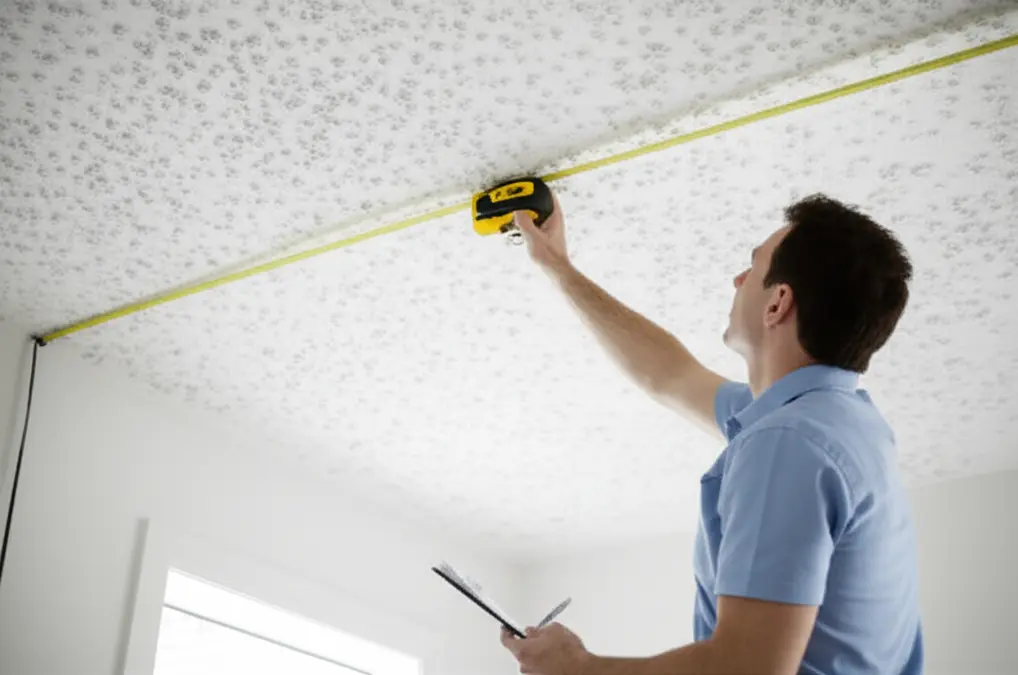
Ceiling Replacement Cost in Toronto: 2026 Pricing Guide
If you are searching for ceiling replacement cost in Toronto, you want real numbers you can trust. Replacing a ceiling is a significant home improvement project, and understanding the costs upfront helps you plan and budget effectively. This guide covers replace ceiling cost in Toronto for every scenario — from basic drywall replacement to full structural overhauls.
Whether your ceiling has extensive water damaged ceiling repair, severe cracking, outdated popcorn texture, or you are renovating your Toronto home, Popcorn Free provides expert ceiling replacement services across the GTA. Call 289-806-1616 for a free estimate.
Average Ceiling Replacement Cost in Toronto
Here are the average costs for ceiling replacement in the Toronto area in 2026:
Drywall Ceiling Replacement
By Room Size
Full Home Ceiling Replacement
These estimates include removal of the old ceiling, new drywall installation, taping, mudding, sanding, priming, and one coat of paint.
Factors That Affect Ceiling Replacement Cost
Ceiling Height
Standard 8-foot ceilings are the most affordable to replace. Higher ceilings (9–10+ feet) require scaffolding, more material, and additional labour, increasing costs by 20–40%.
Ceiling Condition
If the existing ceiling has structural issues, mould, or extensive water damage, additional remediation work adds to the cost. Expect $500–$3,000 extra for structural repairs.
Existing Material
Removing plaster and lath ceilings costs more than removing drywall because of the weight and debris involved. Plaster removal adds $1.50–$3.00 per sq ft to the project.
Insulation Requirements
If ceiling insulation guide needs replacement or upgrading (common when replacing basement or attic-adjacent ceilings), add $1.50–$3.50 per sq ft for new insulation.
Asbestos Presence
Homes built before 1990 may have asbestos in ceiling texture or joint compound. Professional asbestos abatement adds $3.00–$8.00 per sq ft to the project and is required by Ontario law.
Finish Type
Ceiling Replacement vs. Repair: Which Is Right?
Choose Repair When:
Choose Replacement When:
The Replacement Process
1. Assessment and Quote
We assess the existing ceiling, identify any hidden issues (moisture, mould, structural concerns), and provide a detailed written quote. This service is free across Toronto, Mississauga, Brampton, Vaughan, Markham, Oakville, and the entire GTA.
2. Preparation and Protection
All furniture and flooring are covered with heavy-duty protection. We seal doorways to contain dust and set up proper ventilation.
3. Removal
The old ceiling is carefully removed. For asbestos-containing materials, we follow Ontario Ministry of Labour guidelines with full containment protocols.
4. Inspection and Repairs
With the ceiling open, we inspect joists, wiring, plumbing, and insulation. Any issues are addressed before the new ceiling goes up. This is also an ideal time to add pot lights or upgrade insulation.
5. Installation
New drywall is installed, taped, and mudded with three coats of compound. Professional hanging ensures tight joints and proper fastening to prevent future nail pops.
6. Finishing
The ceiling is sanded smooth, primed, and painted. We can match any finish — smooth, knockdown, orange peel, or custom texture.
7. Cleanup
Full cleanup of all debris and dust, leaving your home clean and ready to enjoy.
Cost-Saving Tips
Ontario Building Code Requirements
Ceiling replacement in Ontario must comply with the Ontario Building Code:
Frequently Asked Questions
How much does it cost to replace a ceiling in Toronto?
The average ceiling replacement cos
Expanding the Guide: A Deeper Dive into Ceiling Replacement in Toronto
Replacing a ceiling is more than just a cosmetic upgrade; it's an investment in your home's safety, value, and overall aesthetic. In Toronto, with its diverse housing stock ranging from Victorian homes in The Annex to modern condos downtown, the specific requirements and costs associated with ceiling replacement can vary significantly. This expanded guide provides a more comprehensive look at what to expect during removal when undertaking this project.
Understanding the Toronto Housing Landscape and Its Impact on Ceiling Replacement
Toronto's unique blend of architectural styles influences ceiling replacement projects. popcorn ceilings in older homess, particularly in neighborhoods like Rosedale, Cabbagetown, and High Park, often feature plaster and lath ceilings, which require specialized removal techniques and may uncover unexpected structural issues. Newer constructions, commonly found in areas like Liberty Village and CityPlace, typically have drywall ceilings, simplifying the process but potentially revealing deficiencies in the original build quality.
* Older Homes (Pre-1950s): Expect to encounter plaster and lath, potential asbestos, and the possibility of needing to reinforce joists. These projects often require more time and expertise, leading to higher costs.
* Mid-Century Homes (1950s-1980s): Popcorn ceilings were prevalent during this era, and asbestos testing in Toronto is crucial before removal. Drywall may be present, but insulation upgrades are often necessary.
* Newer Homes (Post-1980s): While generally simpler, newer homes might still require ceiling replacement due to water damage, poor initial installation, or the desire for aesthetic upgrades like recessed lighting.
Detailed Breakdown of Drywall Types and Their Costs
Choosing the right drywall is crucial for both performance and budget. Here’s a more in-depth look at the different types available and their applications:
* Standard 1/2" Drywall: The most common and cost-effective option for general ceiling applications. Suitable for most rooms in a house, except those requiring fire-resistance or moisture protection.
* 5/8" Fire-Rated Drywall (Type X): Mandatory in many condos and multi-unit dwellings in Toronto to provide a fire barrier between units. It's denser and thicker than standard drywall, offering superior fire resistance. Check your condo bylaws and the Ontario Building Code for specific requirements.
* Moisture-Resistant Drywall (Green Board): Ideal for bathrooms, kitchens, and basements where humidity levels are high. It's designed to resist moisture and prevent mould growth. While more expensive than standard drywall, it can prevent costly repairs down the line.
* Mould-Resistant Drywall (Purple Board): Offers even greater mould resistance than green board and is suitable for areas with extreme moisture or potential for leaks.
* Soundproof Drywall: Designed to dampen sound transmission between rooms, making it a good choice for home theaters, offices, or bedrooms. Products like CertainTeed SilentFX offer significant sound reduction.
* UltraLight Drywall: Easier to handle and install due to its reduced weight, but may not be as durable as standard drywall.
When getting quotes, make sure contractors specify the type of drywall they are using. Don't hesitate to ask about the pros and cons of each option for your specific needs.
Beyond Drywall: Exploring Alternative Ceiling Materials
While drywall is the most common choice, other materials can be used for ceiling replacement, each offering unique aesthetic and functional benefits:
* Plaster: For historical accuracy in older homes, plaster can be reapplied using traditional techniques. This is a specialized skill and typically more expensive than drywall.
* Wood Planks or Panels: Offer a rustic or modern look and can add warmth and texture to a room. Consider reclaimed wood for an eco-friendly option.
* Metal Ceiling Tiles: Provide a unique industrial aesthetic and are often used in commercial spaces, but can also be incorporated into residential designs.
* Suspended Ceilings (Drop Ceilings): Commonly used in basements to conceal ductwork and wiring while providing easy access for maintenance.
* acoustic ceiling removal Tiles: Ideal for reducing noise in home theaters, music rooms, or offices.
Navigating Asbestos Abatement in Toronto: A Crucial Step
Asbestos was commonly used in building materials before the 1990s, including popcorn ceilings, drywall joint compound, and insulation. If your Toronto home was built before this time, it's crucial to have the materials tested by a certified asbestos abatement company before any demolition work begins.
* Testing: A professional asbestos inspector will collect samples and send them to a lab for analysis.
* Abatement: If asbestos is present, a licensed abatement contractor must remove it according to strict safety protocols. This involves sealing off the work area, using specialized equipment, and disposing of the asbestos-containing materials properly.
* Cost: Asbestos abatement can significantly increase the overall cost of ceiling replacement, but it's a necessary expense to protect your health and comply with Ontario regulations.
Ignoring asbestos can lead to serious health problems and legal repercussions. Always prioritize safety and hire qualified professionals for testing and removal.
The Importance of Proper Ventilation During Ceiling Replacement
Dust generated during ceiling removal and installation can be a significant nuisance and potential health hazard. Proper ventilation is essential to minimize dust exposure and maintain air quality.
* Sealing Off the Work Area: Use plastic sheeting and tape to seal doorways and windows to prevent dust from spreading to other parts of the house.
* Using Dust Collection Systems: Contractors should use HEPA-filtered vacuums and dust collection systems to capture dust at the source.
* Providing Adequate Ventilation: Open windows and use fans to circulate air and remove dust particles.
* Wearing Protective Gear: Workers should wear respirators, gloves, and eye protection to minimize exposure to dust and debris.
The Impact of Pot Lights and Other Fixtures on Ceiling Replacement Costs
Adding or relocating pot lights during ceiling replacement is a common upgrade. However, it's important to factor in the additional costs associated with electrical work.
* Wiring: New wiring needs to be run from the electrical panel to the pot light locations.
* Installation: Pot lights need to be properly installed and connected to the electrical system by a licensed electrician.
* Drywall Repair: Holes need to be cut in the drywall for the pot lights, and the surrounding areas need to be taped, mudded, and sanded.
* Cost: The cost of pot light installation can vary depending on the number of lights, the complexity of the wiring, and the electrician's hourly rate.
Similarly, if you have other fixtures like ceiling fans or chandeliers, they will need to be removed and reinstalled, adding to the labor costs.
Choosing the Right Contractor in Toronto: Key Considerations
Selecting a qualified and reputable contractor is crucial for a successful ceiling replacement project. Here are some key factors to consider:
* Licensing and Insurance: Ensure the contractor is licensed and insured to operate in Ontario.
* Experience: Look for a contractor with extensive experience in ceiling replacement, particularly in Toronto's diverse housing market.
* References: Ask for references from previous clients and check online reviews.
* Detailed Quotes: Get multiple quotes and compare them carefully, paying attention to the scope of work, materials, and warranty.
* Communication: Choose a contractor who is responsive, communicative, and willing to answer your questions.
* Contract: Ensure you have a written contract that outlines the scope of work, payment schedule, and warranty.
Consider checking with the Better Business Bureau for any complaints against the contractor.
Understanding Permits and Inspections in Toronto
While a permit is not typically required for a simple ceiling replacement, it may be necessary if you are making structural changes or altering the electrical or plumbing systems. Check with the City of Toronto's building department to determine if a permit is required for your specific project.
Inspections may also be required to ensure that the work complies with the Ontario Building Code. Your contractor should be familiar with the permit and inspection process and can guide you through it.
Financing Options for Ceiling Replacement in Toronto
Ceiling replacement can be a significant expense, and you may need to explore financing options to make it more affordable.
* Home Equity Loan or Line of Credit (HELOC): Allows you to borrow against the equity in your home.
* Personal Loan: An unsecured loan that can be used for any purpose.
* Contractor Financing: Some contractors offer financing options to their clients.
* Government Grants and Rebates: Check for any available grants or rebates for energy-efficient upgrades, such as insulation improvements.
The Long-Term Value of Ceiling Replacement
While ceiling replacement is an upfront investment, it can provide long-term benefits:
* Increased impact on home value: A new ceiling can improve the overall aesthetic of your home and increase its market value.
* Improved Energy Efficiency: Upgrading insulation can reduce energy consumption and lower utility bills.
* Enhanced Safety: Addressing structural issues and removing asbestos can improve the safety of your home.
* Improved Air Quality: Removing mould and dust can improve indoor air quality and reduce allergy symptoms.
By carefully planning and budgeting for your ceiling replacement project, you can ensure that it's a worthwhile investment that enhances the value and comfort of your Toronto home.
Frequently Asked Questions
How much does it cost to replace a ceiling in Toronto?
The average ceiling replacement cost in Toronto ranges from $4.50 to $10.00 per square foot, depending on the materials used, the complexity of the project, and any underlying issues that need to be addressed. This includes removal of the old ceiling, installation of new drywall, taping, mudding, sanding, priming, and painting. For a more accurate estimate, it's best to get a free quote from a qualified contractor.
Is it worth replacing a ceiling?
Yes, replacing a ceiling can be a worthwhile investment if it is damaged, outdated, or contains asbestos. A new ceiling can improve the aesthetic appeal of your home, increase its value, improve energy efficiency, and enhance safety.
How long does it take to replace a ceiling?
The duration of a ceiling replacement project depends on the size of the room, the complexity of the job, and any unforeseen issues that may arise. A small bedroom ceiling can typically be replaced in 2-3 days, while a larger living room or basement may take 5-7 days.
What are the signs that a ceiling needs to be replaced?
Signs that a ceiling needs to be replaced include:
* Visible water damage or stains
* Cracking or sagging
* Mould growth
* Presence of asbestos
* Outdated texture (e.g., popcorn ceiling)
* Structural issues
If you notice any of these signs, it's best to consult with a qualified contractor to assess the damage and determine the best course of action.
Ready to transform your Toronto home with a brand new ceiling? Contact Popcorn Free today for a free, no-obligation estimate. Our experienced team provides expert ceiling replacement services across Toronto and the GTA. Call 1-289-806-1616 to schedule your consultation. Let us help you create a beautiful and safe living space.
---