Acoustic Ceiling Removal in Toronto: Complete Guide
Acoustic ceiling popcorn ceiling removal in Toronto is a growing trend as homeowners and business owners replace outdated sound-dampening ceiling treatments with modern alternatives. Acoustic ceilings — including popcorn texture, acoustic tiles (drop ceilings), and spray-on acoustic coatings — were widely installed across the Greater Toronto Area from the 1960s through the 1990s. While they served a functional purpose, these treatments are now considered dated, unattractive, and potentially hazardous.
Whether your Toronto home has spray-on acoustic texture, suspended acoustic tile grids, or painted acoustic plaster, professional removal transforms your space into a bright, modern environment. Homeowners in Mississauga, Brampton, Vaughan, Markham, and across the GTA are investing in acoustic ceiling removal as a top renovation priority.
Call 289-806-1616 for acoustic ceiling removal estimates in Toronto and the GTA.
Types of Acoustic Ceilings in Toronto Homes
Spray-On Acoustic Texture (Popcorn Ceiling)
The most common residential type. A mixture of gypsum, vermiculite, or polystyrene sprayed onto drywall. In pre-1990 homes, may contain asbestos requiring specialized removal per Ontario Building Code regulations. This type is prevalent in popcorn ceilings in older homess in areas like Scarborough, Etobicoke, and North York.
Suspended Acoustic Tile Grid (Drop Ceiling)
Common in basements and commercial spaces. Metal grid hangs from structural ceiling with acoustic tiles dropped in. Removal involves tiles, grid, and finishing the structural ceiling above. Many older commercial buildings in downtown Toronto and industrial areas of the GTA still feature these.
Acoustic Plaster
Found in some mid-century Toronto homes and institutional buildings. Textured plaster with acoustic properties applied directly to ceilings. Removal similar to standard plaster removal. You might find this in older homes in neighborhoods like Rosedale or Forest Hill.
Acoustic Spray Coatings
Professional-grade spray coatings used in commercial and high-end residential applications. Thicker and more durable than standard popcorn texture. These are less common but can be found in some renovated condos and office spaces.
Why Remove Acoustic Ceilings?
Outdated Appearance — All acoustic ceiling types are associated with dated design. They make rooms feel lower, darker, and less open. Modern design favours clean, smooth surfaces. Imagine transforming a room in your Victorian home in the Annex from drab to fab with a modern ceiling.
Health Concerns — Spray-on textures may contain asbestos. Even non-asbestos materials trap dust and allergens. Drop ceiling tiles can harbour mold. Read about asbestos concerns. This is especially crucial in older Toronto homes.
Reclaimed Ceiling Height — Drop ceilings hang 4-6 inches below the structural ceiling. Removing them instantly adds height — significant in basements with standard 8-foot ceilings. This is a huge benefit for basement apartments in areas like Danforth or Leslieville.
Better Lighting — Acoustic materials absorb light. smooth vs popcorn ceiling comparisons dramatically improve light distribution. Brighter spaces are always a plus, especially during Toronto's long winters.
Property Value — Updated ceilings signal a well-maintained home. In Toronto's competitive market, smooth ceilings are expected. See popcorn ceiling impact on home value. This can be a significant selling point in neighborhoods like High Park or the Beaches.
Costs in Toronto
Popcorn/Spray-On Acoustic Removal
Drop Ceiling/Acoustic Tile Removal
Acoustic Plaster Removal
Additional costs: asbestos testing in Toronto ($200–$400), electrical relocation ($200–$800), HVAC modifications ($500–$2,000), insulation ($1.00–$2.00/sq ft). Keep in mind that prices can vary based on the contractor and the specific challenges of your Toronto property. For example, downtown condos might have more complex access issues.
Drop Ceiling Removal Process
For basement considerations, check our guide on ceiling repair in Toronto.
Sound Solutions After Removal
Modern alternatives to outdated acoustic treatments:
These provide equal or better sound control with contemporary aesthetics.
Call 289-806-1616 to discuss your acoustic ceiling removal project. Comprehensive solutions for Toronto, Mississauga, Brampton, Vaughan, and the GTA.
The Acoustic Ceiling Removal Process: A Detailed Breakdown
Removing an acoustic ceiling isn't just about scraping off texture or taking down tiles. It's a multi-step process that requires careful planning, execution, and attention to detail. Here's a more in-depth look at each step, with considerations specific to Toronto homes:
1. Initial Consultation and Assessment:
* Home Inspection: A professional will visit your Toronto home to assess the type of acoustic ceiling, its condition, and the surrounding environment. This includes checking for potential asbestos, evaluating the structural integrity of the ceiling, and identifying any existing issues like water damaged ceiling repair or cracks.
* Asbestos Testing (If Necessary): If your home was built before 1990, asbestos testing is highly recommended. A certified professional will take samples of the acoustic material and send them to a lab for analysis. This is crucial for ensuring the safety of your family and the workers involved in the removal process.
* Project Planning: Based on the assessment, the professional will develop a detailed plan for the removal process, including the necessary equipment, safety precautions, and timeline. They will also discuss your desired finish for the ceiling after the acoustic material is removed.
* Permitting: Depending on the scope of the project and the presence of asbestos, you may need to obtain permits from the City of Toronto. Your contractor should be able to advise you on this process.
2. Preparation:
* Room Protection: This is a critical step to prevent damage to your belongings. The work area will be completely covered with plastic sheeting to protect floors, walls, furniture, and fixtures.
* Ventilation and Air Filtration: Proper ventilation is essential to minimize dust and debris during the removal process. The contractor may use air filtration systems to capture airborne particles.
* Safety Gear: Workers will wear appropriate safety gear, including respirators, gloves, and eye protection, to protect themselves from dust, debris, and potential asbestos exposure.
3. Acoustic Ceiling Removal:
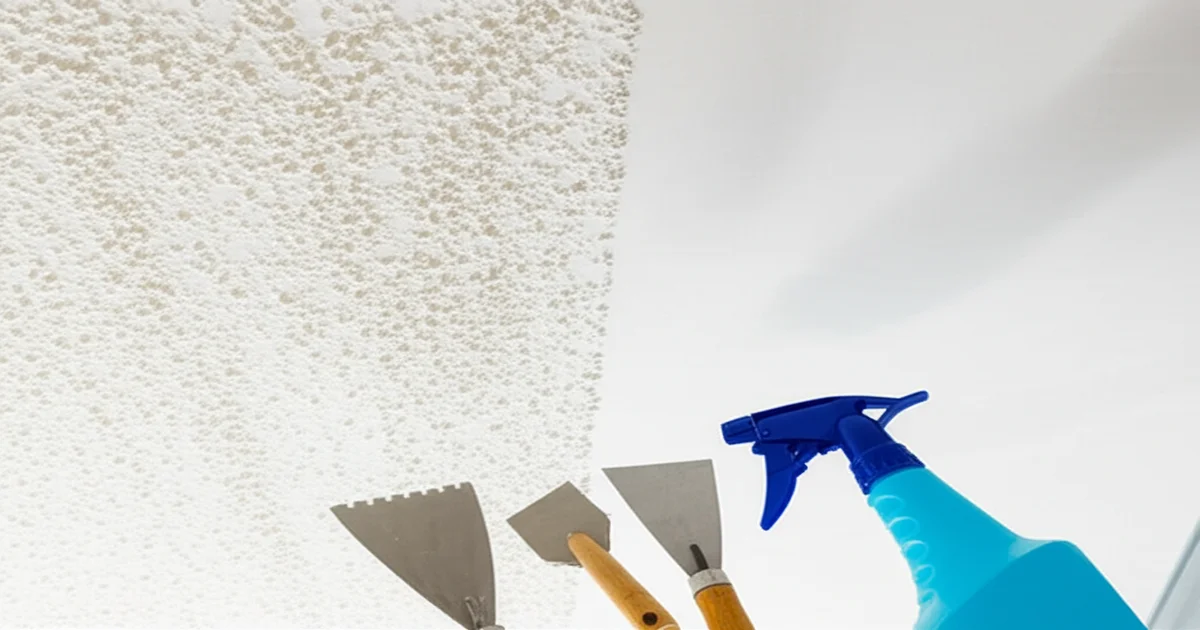
* Spray-On Texture Removal: This typically involves spraying the texture with water to soften it and then scraping it off with a wide putty knife or scraper. The removed material is collected in plastic bags for disposal. Special care is taken to avoid damaging the drywall underneath.
* Drop Ceiling Removal: This involves carefully lifting the acoustic tiles from the grid, dismantling the grid system, and removing the hangers from the structural ceiling.
* Acoustic Plaster Removal: This may require specialized tools and techniques to remove the plaster without damaging the underlying structure.
4. Ceiling Repair and Preparation:
* Drywall Repair: After the acoustic material is removed, the drywall underneath may need to be repaired. This could involve patching holes, filling cracks, and sanding the surface smooth.
* Seam Taping and Mudding: If new drywall is installed or existing drywall is repaired, the seams will need to be taped and mudded to create a seamless surface.
* Sanding: The entire ceiling surface is sanded smooth to prepare it for priming and painting.
5. Priming and Painting:
* Priming: A primer is applied to the ceiling to seal the surface and provide a good base for the paint.
* Painting: Two or more coats of paint are applied to the ceiling to achieve a smooth, even finish. The type of paint used will depend on your preferences and the specific requirements of the room.
6. Cleanup and Disposal:
* Thorough Cleaning: The work area is thoroughly cleaned to remove all dust, debris, and plastic sheeting.
* Proper Disposal: All removed acoustic material, including asbestos-containing materials, is disposed of properly in accordance with local regulations.
Choosing the Right Contractor in Toronto
Finding the right contractor for your acoustic ceiling removal project is crucial for a successful outcome. Here's what to look for when choosing a contractor in the Toronto area:
* Licensing and Insurance: Ensure the contractor is licensed and insured to operate in Toronto and the GTA. This protects you from liability in case of accidents or damages.
* Experience: Choose a contractor with extensive experience in acoustic ceiling removal, particularly in older Toronto homes. They should be familiar with the challenges associated with asbestos and other potential hazards.
* Reputation: Check online reviews and ask for references from previous clients. A reputable contractor will have a track record of satisfied customers.
* Certifications: Look for contractors with certifications in asbestos removal and other relevant areas.
* Detailed Quotes: Get detailed quotes from multiple contractors before making a decision. The quote should clearly outline the scope of work, materials, and costs.
* Communication: Choose a contractor who is responsive, communicative, and willing to answer your questions.
Addressing Asbestos Concerns in Toronto Homes
Asbestos is a serious health hazard, and it's important to take precautions when dealing with acoustic ceilings in older Toronto homes.
* Testing: Always have your acoustic ceiling tested for asbestos before starting any removal work.
* Professional Removal: If asbestos is present, hire a certified asbestos removal contractor to handle the removal process safely and legally.
* Regulations: Be aware of the Ontario Building Code regulations regarding asbestos removal.
* Safety Precautions: Even if asbestos is not present, take precautions to minimize dust and debris during the removal process.
Cost Factors Influencing Acoustic Ceiling Removal in Toronto
The cost of acoustic ceiling removal in Toronto can vary depending on several factors:
* Size of the Area: The larger the area, the higher the cost.
* Type of Acoustic Ceiling: Popcorn ceilings are typically less expensive to remove than drop ceilings or acoustic plaster.
* Asbestos Content: Asbestos removal is significantly more expensive than non-asbestos removal.
* Complexity of the Project: Projects that involve difficult access, intricate designs, or extensive repairs will cost more.
* Contractor's Rates: Different contractors have different rates.
* Location: Prices can vary slightly depending on your location within Toronto or the GTA. You might find different rates in areas like North York [North York] or Etobicoke [Etobicoke].
Modern Alternatives and Finishing Options in the GTA
Once the acoustic ceiling is removed, you have a variety of options for finishing the ceiling:
* Smooth Drywall Finish: This is the most common option and provides a clean, modern look.
* Textured Finish: You can choose a subtle texture to add visual interest to the ceiling.
* Paint: Choose a high-quality paint that is specifically designed for ceilings.
* Pot Lights: Consider adding pot lights to brighten up the room and create a more modern look.
* removal with crown molding: Crown molding can add a touch of elegance and sophistication to the room.
Soundproofing Considerations for Toronto Homes
After removing an acoustic ceiling, you may want to consider soundproofing options to improve the acoustics of the room:
* Acoustic Drywall: This type of drywall is designed to absorb sound and reduce noise transmission.
* Sound Insulation: Adding sound insulation between floors can significantly reduce noise transmission.
* Resilient Channels: These metal channels decouple the drywall from the joists, reducing sound transmission.
* Mass Loaded Vinyl: This thin, dense barrier can be added during construction to block sound.
Frequently Asked Questions
What are the common signs that my acoustic ceiling contains asbestos?
While the only definitive way to know is through professional testing, homes built before 1990 in areas like Riverdale or Cabbagetown are more likely to have asbestos-containing materials. Visible signs are not reliable indicators.
How long does acoustic ceiling removal typically take in a Toronto home?
The timeline depends on the size of the area, the type of acoustic ceiling, and the presence of asbestos. A typical bedroom might take 1-2 days, while a larger basement could take 3-5 days. Asbestos removal will add to the timeline.
Will removing my popcorn ceiling increase my home's resale value in Toronto?
Yes, removing a popcorn ceiling is generally considered a worthwhile investment that can increase your home's resale value, especially in competitive Toronto neighborhoods like Rosedale or the Annex. Buyers often prefer modern, smooth ceilings.
What are the potential risks of DIY acoustic ceiling removal?
The biggest risk is exposure to asbestos if it's present. Other risks include damaging the drywall, creating excessive dust and debris, and improper disposal of materials.
Call 289-806-1616 to discuss your acoustic ceiling removal project. Comprehensive solutions for Toronto, Mississauga, Brampton, Vaughan, and the GTA.