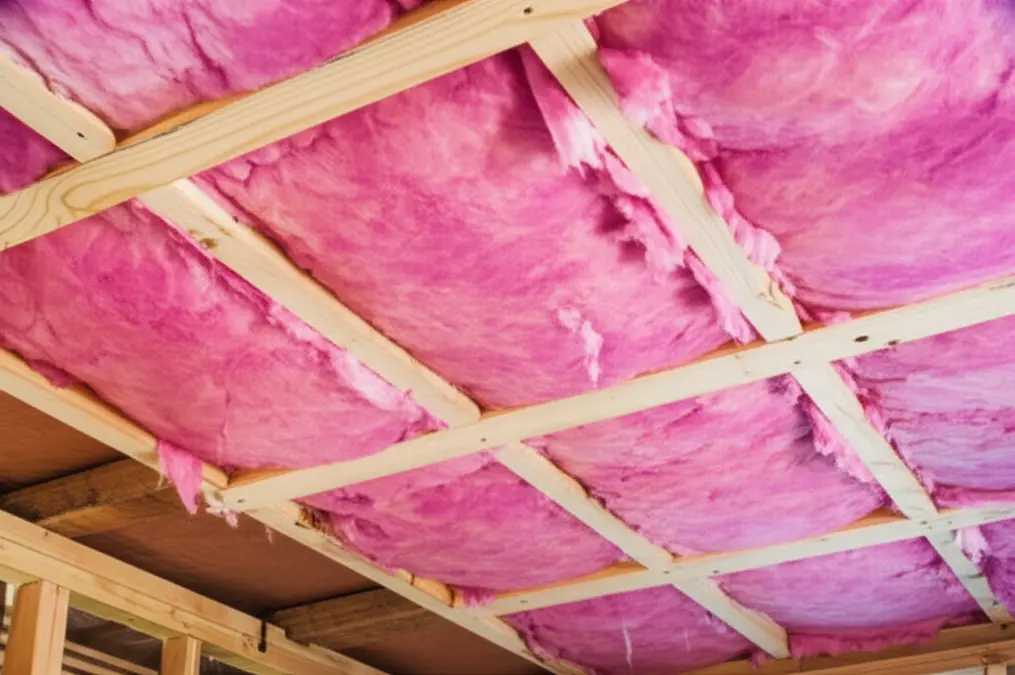
Ceiling Insulation in Toronto: Costs, Options, and Energy Savings
Ceiling insulation in Toronto is one of the most effective home improvements for reducing energy costs and improving comfort. With Ontario's extreme temperature swings — from -20°C winters to 35°C summers — proper attic and ceiling insulation is essential. This guide covers attic insulation cost, types, R-value requirements, and everything Toronto homeowners need to know.
Popcorn Free offers ceiling insulation services alongside our ceiling renovation work across Toronto and the GTA. Call 289-806-1616 to discuss your insulation needs.
Why Ceiling Insulation Matters in Toronto
Energy Savings
Up to 25% of a home's heat loss occurs through the ceiling and attic. In Toronto's cold winters, this means hundreds or thousands of dollars in wasted heating costs annually. Proper ceiling insulation can reduce heating bills by 15–25%. Think about the difference this could make in neighborhoods like Rosedale or Forest Hill, where larger homes often have significantly higher energy bills.
Summer Cooling
Insulation works both ways. In Toronto's hot, humid summers, ceiling insulation keeps cool air inside and reduces air conditioning costs by 10–20%. This is especially beneficial for popcorn ceilings in older homess in areas like the Annex or Cabbagetown, which often lack modern energy-efficient features.
Comfort
Inadequate ceiling insulation causes cold spots, drafts, and uneven room temperatures in winter. In summer, rooms below poorly insulated attics feel noticeably hotter. Good insulation creates consistent, comfortable temperatures throughout your home. Imagine enjoying a consistently comfortable temperature in your renovated home in Leslieville, regardless of the season.
Ice Dam Prevention
Ice dams are a major problem for Toronto homes. They form when heat escaping through the ceiling melts snow on the roof, which refreezes at the eaves. Proper insulation keeps heat inside where it belongs, preventing ice dams and the water damage they cause. This is particularly crucial in neighborhoods like Scarborough or Etobicoke, where heavy snowfall is common.
Moisture Control
Good insulation combined with proper vapour barriers prevents condensation in the attic space. Condensation leads to mould growth, wood rot, and ceiling damage — expensive problems that proper insulation prevents. Regular attic inspections in areas like North York or Markham can help identify these issues early.
Ceiling Insulation Cost in Toronto
Attic Insulation (Blown-In)
Batt Insulation
Spray Foam Insulation
Cathedral/Vaulted Ceiling Insulation
Basement Ceiling Insulation
Important Cost Considerations:
* Accessibility: Attics with difficult access (small hatches, tight spaces) may increase labor costs.
* Existing Insulation Removal: Removing old, damaged, or inadequate insulation adds to the overall cost. This is especially common in older Toronto homes.
* Air Sealing: Air sealing before insulation significantly improves performance but adds to the cost.
* Vapour Barrier Installation: Ensuring a proper vapour barrier is in place is crucial, particularly in bathrooms and kitchens.
* Permits: Depending on the scope of the project and your municipality (e.g., City of Toronto, Mississauga, Brampton), permits may be required.
Ontario R-Value Requirements
The Ontario Building Code (OBC) specifies minimum insulation values:
| Application | Minimum R-Value | Recommended R-Value |
|---|---|---|
| Attic (new construction) | R-60 | R-60 to R-80 |
| Attic (renovation) | R-50 | R-50 to R-60 |
| Cathedral ceiling | R-28 | R-40+ |
| [basement ceiling removal](/blog/popcorn-ceiling-removal-basement) | R-20 | R-24 to R-31 |
| Flat roof | R-31 | R-40+ |
Most Toronto homes built before 2000 have significantly less insulation than current standards require. Upgrading to modern levels provides substantial energy savings. Homes in older areas like High Park or the Beaches are prime candidates for insulation upgrades.
Types of Ceiling Insulation
Blown-In Cellulose
Best for: Topping up existing attic insulation, filling irregular spaces
Blown-In Fibreglass
Best for: Attic insulation where moisture is a concern
Fibreglass Batts
Best for: Open ceiling cavities, basement ceilings, accessible attics
Mineral Wool Batts
Best for: Fire resistance, sound insulation, moisture resistance
Spray Foam
Best for: Cathedral ceilings, air sealing, maximum R-value per inch
Choosing the Right Insulation Type:
* Budget: Cellulose is generally the most affordable, followed by fibreglass batts, blown-in fibreglass, mineral wool, and then spray foam.
* Moisture Concerns: If moisture is a concern (e.g., leaky roof, high humidity), fibreglass or mineral wool are better choices than cellulose.
* Space Constraints: Spray foam offers the highest R-value per inch, making it ideal for tight spaces like cathedral ceilings.
* Air Sealing Needs: If air sealing is a priority, spray foam is the best option.
* Environmental Concerns: Cellulose is made from recycled materials, making it a more environmentally friendly choice.
When to Insulate Your Ceiling
During Popcorn Ceiling Removal
If you are removing popcorn ceilings, this is the ideal time to assess and upgrade attic insulation. With the ceiling being refinished anyway, adding insulation is efficient and cost-effective. This is a common project in older Toronto homes in areas like Bloor West Village.
During [Ceiling Replacement](/blog/ceiling-replacement-cost-toronto)
When ceiling drywall is removed, you have full access to the attic space for insulation work. This is the most efficient time to upgrade.
During Renovation
Any major renovation that affects ceilings or attic access is an opportunity to improve insulation. Planning to renovate your kitchen in your Riverdale home? Now's the perfect time to check the insulation above.
As a Standalone Project
Attic insulation can be added through the attic access hatch without disturbing ceilings below. This is the least disruptive approach and is very cost-effective for blown-in insulation. This is a popular choice for homeowners in Mississauga and Brampton looking for a quick and easy way to improve energy efficiency.
Ontario Rebates and Incentives
Enbridge Home Efficiency Rebate Plus
Enbridge offers rebates for homeowners who improve their home's energy efficiency, including insulation upgrades. The rebate amount depends on the type of insulation and the R-value achieved. Check the Enbridge Gas website for the latest program details and eligibility requirements. This program is a great way for homeowners in Vaughan and Richmond Hill to save money on insulation upgrades.
Canada Greener Homes Grant
The Canada Greener Homes Grant provides grants of up to $5,000 to help homeowners make their homes more energy-efficient. Insulation upgrades are eligible for this grant. Visit the Natural Resources Canada website for more information.
Navigating Rebates and Incentives:
* Eligibility: Carefully review the eligibility requirements for each program.
* Pre- and Post-Energy Audits: Many rebates require a pre- and post-energy audit to assess your home's energy performance.
* Qualified Contractors: Ensure you hire a qualified contractor who is familiar with the rebate programs.
* Application Process: Follow the application process carefully and submit all required documentation.
DIY vs. Professional Insulation Installation
While some homeowners may be tempted to install insulation themselves, professional installation is generally recommended for the following reasons:
* Expertise: Professional installers have the knowledge and experience to properly install insulation and ensure it meets building code requirements.
* Safety: Insulation installation can be hazardous, especially with materials like fibreglass. Professionals have the necessary safety equipment and training.
* Equipment: Professional installers have the specialized equipment needed for efficient and effective installation.
* Air Sealing: Professionals can properly air seal your attic to maximize the benefits of insulation.
* Rebate Eligibility: Some rebates require professional installation.
When DIY Might Be Suitable:
* Small Patch Repairs: If you only need to repair a small area of damaged insulation, DIY might be an option.
* Easy Access: If the attic is easily accessible and the insulation is straightforward to install, DIY might be possible.
* Budget Constraints: If you are on a tight budget, DIY might be a way to save money. However, be sure to factor in the cost of materials, equipment, and potential mistakes.
The Importance of Proper Ventilation
Proper attic ventilation is crucial for preventing moisture buildup and ensuring the effectiveness of insulation. Inadequate ventilation can lead to:
* Mould Growth: Moisture buildup can create a breeding ground for mould.
* Wood Rot: Moisture can damage wood framing and sheathing.
* Reduced Insulation Performance: Moisture can reduce the R-value of insulation.
* Ice Dams: Poor ventilation can contribute to ice dam formation.
Types of Attic Ventilation:
* Soffit Vents: Located under the eaves, soffit vents allow air to enter the attic.
* Ridge Vents: Located at the peak of the roof, ridge vents allow air to exit the attic.
* Gable Vents: Located on the gable ends of the house, gable vents provide cross-ventilation.
* Powered Vents: Powered vents use a fan to exhaust air from the attic.
Ensuring Proper Ventilation:
* Inspect Vents: Regularly inspect vents to ensure they are not blocked by debris or insulation.
* Balance Intake and Exhaust: Ensure there is a balance between intake and exhaust vents.
* Consider a Professional Assessment: A professional can assess your attic ventilation and recommend improvements.
How to Choose the Right Insulation Contractor in Toronto
Choosing the right insulation contractor is essential for a successful project. Here are some tips:
* Get Multiple Quotes: Obtain quotes from at least three contractors.
* Check References: Ask for references and contact them to inquire about their experience.
* Verify Insurance and Licensing: Ensure the contractor is properly insured and licensed.
* Read Reviews: Check online reviews on sites like HomeStars and Google Reviews.
* Ask Questions: Ask the contractor about their experience, qualifications, and approach to the project.
* Get a Written Contract: Ensure you have a written contract that outlines the scope of work, price, and payment terms.
* Local Experience: Choose a contractor familiar with Toronto building codes and common housing types.
Frequently Asked Questions
What R-value should my attic insulation be in Toronto?
The Ontario Building Code recommends a minimum of R-60 for new construction attics and R-50 for renovations. However, aiming for R-60 to R-80 is ideal for maximum energy savings in Toronto's climate.
How do I know if my ceiling insulation is adequate?
Look for signs like uneven room temperatures, high energy bills, ice dams, and visible gaps or compression in the insulation. A professional energy audit can provide a more accurate assessment.
Can I add insulation on top of existing insulation?
Yes, in most cases, you can add insulation on top of existing insulation. However, it's important to address any moisture problems first and ensure the existing insulation is not damaged or contaminated.
What are the benefits of spray foam insulation compared to other types?
Spray foam provides superior air sealing, a high R-value per inch, and can add structural strength. However, it is more expensive than other types of insulation. It's the best choice for cathedral ceilings and areas where air leakage is a major concern.
Ready to Improve Your Home's Energy Efficiency?
Upgrading your ceiling insulation is a smart investment that can save you money on energy bills, improve comfort, and prevent costly problems. Contact Popcorn Free today for a free consultation and estimate. We serve homeowners throughout Toronto and the GTA, including areas like Etobicoke, North York, Scarborough, and beyond.
Call us today at 1-289-806-1616 to schedule your consultation!