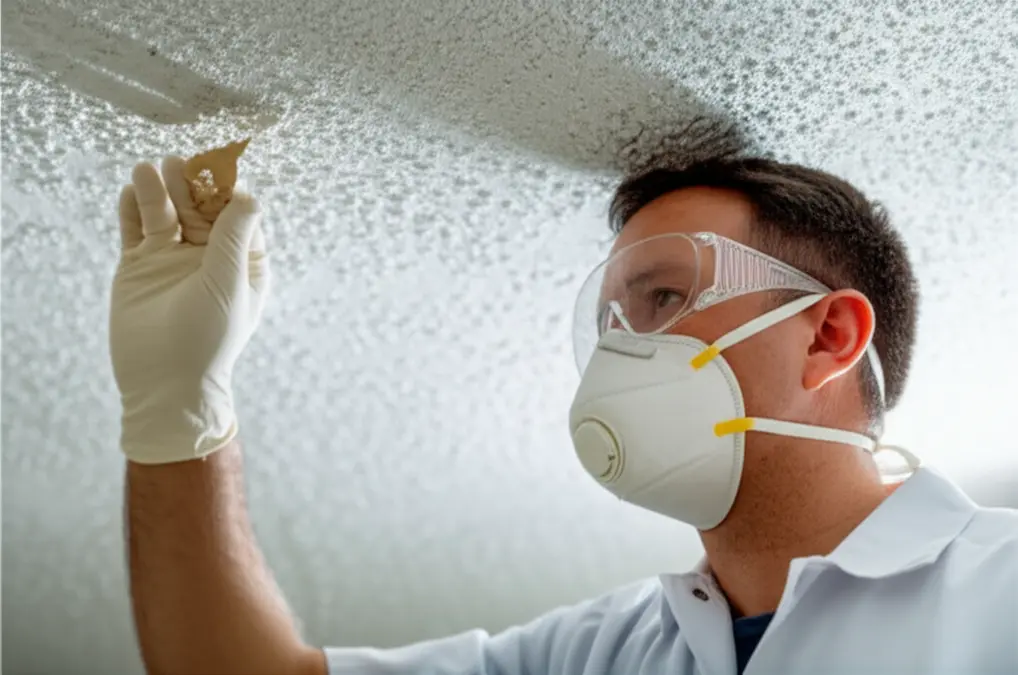
# Asbestos in Popcorn Ceilings: Testing, Safety & Removal Guide for GTA Homeowners
Popcorn ceilings, also known as acoustic ceiling removals, were a popular design choice for homes built from the 1950s through the 1980s. Their textured surface was intended to dampen sound and hide imperfections. However, many of these ceilings contain asbestos, a naturally occurring mineral that poses significant health risks when inhaled. If you're a homeowner in Toronto or the Greater Toronto Area (GTA) with a popcorn ceiling, understanding the risks, testing procedures, and safe removal options is crucial. This comprehensive guide will provide you with everything you need to know about asbestos in popcorn ceilings, helping you make informed decisions to protect your health and your home.
Table of Contents
1. What is Asbestos?
Asbestos is a group of six naturally occurring silicate minerals characterized by their long, thin fibrous crystals. These fibers are heat-resistant, strong, and flexible, making asbestos a popular material for various industrial and commercial applications. Asbestos was widely used in construction materials, including insulation, roofing, flooring, and, notably, popcorn ceilings.
There are two main types of asbestos:
* Serpentine: This type has a curly fiber structure. Chrysotile, or white asbestos, is the most common type of serpentine asbestos.
* Amphibole: This type has a straight, needle-like fiber structure and includes amosite (brown asbestos), crocidolite (blue asbestos), tremolite, actinolite, and anthophyllite.
While asbestos provided benefits like fire resistance and insulation, its health risks are significant. When asbestos-containing materials are disturbed, they release microscopic fibers into the air, which can be inhaled and cause serious illnesses.
2. The History of Asbestos in Canadian Construction
Asbestos was first commercially mined in Canada in the late 19th century, and its use grew steadily throughout the 20th century. By the mid-20th century, it was a staple in the construction industry. Its fire-resistant properties made it particularly desirable for insulation and fireproofing.
In Canada, asbestos was widely used in various building materials, including:
* Insulation (pipe, boiler, and attic)
* Cement products (pipes, sheets, and shingles)
* Flooring (vinyl tiles and linoleum)
* Textured paints and coatings (including popcorn ceilings)
The peak of asbestos use in Canada was between the 1960s and 1980s. However, as the health risks associated with asbestos became increasingly apparent, its use began to decline. Canada officially banned asbestos in 2018, but many older buildings still contain asbestos-containing materials. Understanding the timeline of asbestos use is crucial for GTA homeowners, especially those with older properties.
3. Which GTA Homes are at Risk of Having Asbestos Popcorn Ceilings?
Homes built in the GTA between the 1950s and early 1990s are most likely to have asbestos-containing popcorn ceilings. While regulations began to restrict asbestos use in the late 1970s, some manufacturers continued to use existing asbestos stockpiles. Therefore, even homes built in the early 1990s could potentially contain asbestos.
Here's a general guideline:
* Homes built before 1960: High probability of asbestos in various building materials, including popcorn ceilings.
* Homes built between 1960 and 1980: Very high probability of asbestos in popcorn ceilings.
* Homes built between 1980 and 1990: Possible probability of asbestos in popcorn ceilings, especially if the original builder used older materials.
* Homes built after 1990: Low probability of asbestos in popcorn ceilings, but testing is still recommended if you are unsure.
Consider these factors when assessing the risk in your GTA home:
* Age of the home: The older the home, the higher the likelihood of asbestos.
* Renovations: If the popcorn ceiling has been painted or disturbed during renovations, asbestos fibers may have been released.
* Original construction materials: Check any available documentation about the home's construction to see if asbestos-containing materials were used.
If you live in a neighborhood like Rosedale with older, well-maintained homes, or in a postwar bungalow in Etobicoke, the likelihood of asbestos is higher than in newer developments in areas like Vaughan or Markham. You can read more about the impact on /blog/popcorn-ceiling-older-homes.
4. How to Identify Asbestos in Popcorn Ceilings (Visual Cues)
While visual inspection alone cannot definitively confirm the presence of asbestos, certain characteristics can raise suspicion. It's crucial to remember that the only way to be certain is through professional testing.
Here are some visual cues to look for:
* Texture: Asbestos-containing popcorn ceilings often have a coarse, lumpy texture.
* Color: The color is typically off-white or slightly yellowish.
* Age: As mentioned earlier, homes built before the 1990s are more likely to have asbestos.
* Location: Popcorn ceilings were commonly used in bedrooms, living rooms, and hallways.
* Damage: Cracks, peeling, or water damaged ceiling repair can indicate that the ceiling is deteriorating and potentially releasing asbestos fibers.
Important Note: Do not attempt to scrape, sand, or disturb the popcorn ceiling if you suspect it contains asbestos. This can release fibers into the air and pose a health risk. Consult with a qualified asbestos testing and removal company in Toronto. You can find more visual clues about identifying asbestos in popcorn ceilings on this blog: /blog/signs-popcorn-ceiling-has-asbestos.
5. The Asbestos Ceiling Testing Process and Associated Costs in Toronto
The only way to confirm the presence of asbestos in your popcorn ceiling is through professional testing. Here's what you can expect during the asbestos testing process in Toronto:
Cost of Asbestos Testing in Toronto:
The cost of asbestos testing in Toronto can vary depending on the number of samples collected and the laboratory used. Here's a general price range:
* Basic Testing (1-3 samples): $150 - $300
* Comprehensive Testing (4-6 samples): $300 - $500
It's essential to get quotes from multiple inspectors and labs to ensure you're getting a fair price. Remember, investing in professional testing is crucial for your health and safety. You can learn more about the costs of asbestos testing in Toronto here: /blog/popcorn-ceiling-testing-toronto.
6. Ontario Regulations Regarding Asbestos Removal
Ontario has strict regulations in place to protect workers and the public from asbestos exposure. These regulations are enforced by the Ministry of Labour, Immigration, Training and Skills Development.
Key regulations include:
* Ontario Regulation 278/05 - Designated Substance - Asbestos on Construction Projects and in Buildings and Repair Operations: This regulation outlines the requirements for asbestos management, removal, and disposal on construction projects and in buildings.
* Type 1, Type 2, and Type 3 Asbestos Operations: Asbestos removal projects are classified into three types based on the risk level. Type 1 operations involve low-risk materials, while Type 3 operations involve high-risk materials and require stringent safety precautions. Popcorn ceiling removal typically falls under Type 2 or Type 3, depending on the asbestos content and the extent of the project.
Requirements for Asbestos Removal Contractors:
* Licensing and Certification: Asbestos removal contractors must be licensed and certified to perform asbestos abatement work in Ontario.
* Training: Workers must be properly trained in asbestos handling, removal, and disposal procedures.
* Safety Equipment: Contractors must provide workers with appropriate personal protective equipment (PPE), including respirators, gloves, and protective clothing.
* Containment: The work area must be properly contained to prevent the spread of asbestos fibers.
* Air Monitoring: Air monitoring is required to ensure that asbestos fiber levels are within acceptable limits.
* Waste Disposal: Asbestos waste must be properly packaged and disposed of at an approved landfill site.
It's crucial to hire a qualified and licensed asbestos removal contractor who is familiar with Ontario regulations. Verify their credentials and ask for references before hiring them. Failure to comply with regulations can result in hefty fines and legal consequences.
7. Asbestos Popcorn Ceiling Removal vs. Encapsulation: Which is Right for You?
When dealing with asbestos-containing popcorn ceilings, you have two primary options: removal and encapsulation. Each approach has its own advantages and disadvantages.
Asbestos Popcorn Ceiling Removal:
* Pros:
* Completely eliminates the asbestos hazard.
* Allows for renovation or remodeling without the risk of disturbing asbestos.
* Increases property value.
* Cons:
* More expensive than encapsulation.
* More disruptive and time-consuming.
* Requires strict adherence to safety regulations.
Asbestos Popcorn Ceiling Encapsulation:
* Pros:
* Less expensive than removal.
* Less disruptive and time-consuming.
* Seals the asbestos fibers, preventing them from being released into the air.
* Cons:
* Does not eliminate the asbestos hazard.
* Requires ongoing monitoring to ensure the encapsulant remains intact.
* May limit future renovation options.
* Can be more expensive in the long run if removal becomes necessary later.
Which Option is Right for You?
The best option depends on your specific circumstances, including your budget, renovation plans, and risk tolerance.
* Choose Removal if:
* You are planning to renovate or remodel the ceiling.
* The ceiling is damaged or deteriorating.
* You want to eliminate the asbestos hazard completely.
* You have the budget for a professional removal.
* Choose Encapsulation if:
* You are on a tight budget.
* You are not planning to renovate the ceiling.
* The ceiling is in good condition.
* You are comfortable with ongoing monitoring.
Before making a decision, consult with a qualified asbestos professional in Toronto. They can assess your ceiling and provide personalized recommendations. More information on encapsulation can be found here: /blog/popcorn-ceiling-encapsulation.
8. Health Risks Associated with Asbestos Exposure
Asbestos exposure is a serious health hazard. When asbestos fibers are inhaled, they can become lodged in the lungs and other organs, leading to a range of serious illnesses.
The most common asbestos-related diseases include:
* Asbestosis: A chronic lung disease characterized by scarring and inflammation of the lung tissue. Symptoms include shortness of breath, coughing, and chest pain.
* Lung Cancer: Asbestos exposure significantly increases the risk of developing lung cancer, especially in smokers.
* Mesothelioma: A rare and aggressive cancer that affects the lining of the lungs, abdomen, or heart. Mesothelioma is almost always caused by asbestos exposure.
* Pleural Plaques: Thickening and scarring of the pleura (the lining of the lungs). Pleural plaques are often asymptomatic but can indicate asbestos exposure.
Latency Period:
It's important to note that asbestos-related diseases often have a long latency period, meaning that symptoms may not appear for 10 to 50 years after exposure. This makes it difficult to link illnesses directly to asbestos exposure, especially if the exposure occurred many years ago.
Risk Factors:
The risk of developing asbestos-related diseases depends on several factors, including:
* Duration and intensity of exposure: The longer and more intense the exposure, the higher the risk.
* Type of asbestos: Amphibole asbestos is generally considered more hazardous than serpentine asbestos.
* Individual susceptibility: Some people are more susceptible to asbestos-related diseases than others.
* Smoking: Smoking significantly increases the risk of lung cancer in people exposed to asbestos.
Protecting yourself and your family from asbestos exposure is crucial. If you suspect that your popcorn ceiling contains asbestos, take immediate action to have it tested and removed or encapsulated by a qualified professional. More information about the health risks can be found here: /blog/popcorn-ceiling-health-risks.
9. The Safe Asbestos Popcorn Ceiling Removal Process
The safe removal of asbestos-containing popcorn ceilings requires specialized equipment, training, and procedures. It's crucial to hire a licensed and experienced asbestos removal contractor to ensure the job is done safely and effectively.
Here's a general overview of the asbestos popcorn ceiling removal process:
* The contractor will obtain the necessary permits and notify the Ministry of Labour.
* The work area will be isolated and contained using plastic sheeting and negative air pressure.
* All furniture and belongings will be removed from the work area or covered in plastic.
* Workers will wear full protective gear, including respirators, gloves, and protective clothing.
* The popcorn ceiling will be wetted down to minimize dust.
* The popcorn ceiling material will be carefully scraped off the ceiling and placed into sealed bags.
* The work area will be thoroughly cleaned using HEPA vacuums.
* Air monitoring will be conducted to ensure that asbestos fiber levels are within acceptable limits.
* The plastic sheeting will be carefully removed and disposed of as asbestos waste.
* Asbestos waste will be properly packaged and transported to an approved landfill site.
Important Safety Precautions:
* Do not attempt to remove asbestos yourself. This is a dangerous task that requires specialized training and equipment.
* Ensure the contractor is licensed and insured.
* Verify that the contractor follows all Ontario regulations.
* Stay out of the work area during the removal process.
* Ask for air monitoring results to ensure the air is safe after the removal.
By following these precautions, you can ensure that the asbestos popcorn ceiling removal process is conducted safely and effectively, protecting your health and your home. You can read more about the removal process on this blog: /blog/asbestos-ceiling-removal-toronto.
10. Does Home Insurance Cover Asbestos Popcorn Ceiling Removal?
In most cases, standard home insurance policies do not cover asbestos popcorn ceiling removal. Home insurance typically covers sudden and accidental damage, such as fire, water damage, or windstorms. Asbestos is considered a pre-existing condition, and its removal is often classified as maintenance or a home improvement project, which is not covered by insurance.
However, there are some exceptions:
* If asbestos is discovered as a result of a covered peril: For example, if a pipe bursts and damages an asbestos-containing ceiling, the insurance company may cover the cost of asbestos abatement as part of the water damage restoration.
* Specialized asbestos insurance: Some insurance companies offer specific policies or riders that cover asbestos removal. These policies are typically more expensive than standard home insurance.
Important Considerations:
* Review your policy carefully: Read the terms and conditions of your home insurance policy to understand what is covered and what is excluded.
* Contact your insurance provider: Speak with your insurance provider to discuss your specific situation and determine if your policy covers asbestos removal.
* Keep records: Keep detailed records of all communication with your insurance provider, as well as any documentation related to asbestos testing and removal.
Even if your insurance doesn't cover the full cost of asbestos removal, it's still essential to address the issue to protect your health and your home. Consider exploring financing options or government programs to help cover the costs.
11. Frequently Asked Questions (FAQs)
Here are some frequently asked questions about asbestos in popcorn ceilings:
Q: How can I tell if my popcorn ceiling has asbestos without testing?
A: You can't definitively tell without testing. However, if your home was built between the 1950s and early 1990s, there's a higher chance it contains asbestos. Visual cues like coarse texture and off-white color can also be indicators, but testing is essential for confirmation.
Q: Is it safe to live in a house with an asbestos popcorn ceiling?
A: If the ceiling is in good condition and not disturbed, it may pose a low risk. However, any disturbance, such as renovations, repairs, or even accidental damage, can release asbestos fibers into the air. It's best to have it tested and either removed or encapsulated.
Q: Can I remove the popcorn ceiling myself?
A: No. Asbestos removal is a hazardous task that requires specialized training, equipment, and adherence to strict regulations. Attempting to remove it yourself can put your health and the health of your family at risk. Always hire a licensed and experienced asbestos removal contractor.
Q: how long popcorn ceiling removal takes asbestos popcorn ceiling removal take?
A: The duration of the removal process depends on the size of the area and the complexity of the project. A typical removal can take anywhere from 1 to 5 days.
Q: What do I do if I accidentally disturb my popcorn ceiling?
A: If you accidentally disturb your popcorn ceiling, immediately evacuate the area and prevent anyone from entering. Wet down the area with a spray bottle to minimize dust. Contact a qualified asbestos professional to assess the damage and provide guidance on cleanup and remediation.
Q: How much does it cost to remove an asbestos popcorn ceiling in Toronto?
A: The cost varies depending on the size of the area, the complexity of the project, and the contractor you choose. Generally, you can expect to pay between $3 to $8 per square foot for professional asbestos popcorn ceiling popcorn ceiling removal in Toronto.
12. Call to Action
If you suspect that your Toronto or GTA home has an asbestos-containing popcorn ceiling, don't wait. Protect your health and your family by getting it tested and addressed by professionals.
Call us today at 1-289-806-1616 for a free consultation and estimate. We are a licensed and experienced asbestos removal company serving the entire Greater Toronto Area, committed to providing safe, reliable, and affordable asbestos abatement solutions. We can help you determine the best course of action for your home and ensure that all work is done in compliance with Ontario regulations.