Popcorn Ceiling Health Risks: What Every Homeowner Should Know
Popcorn ceilings are more than just an outdated design choice — they can pose real health risks to you and your family. If your home was built before 1990, understanding the potential dangers of your textured ceiling is essential for protecting your household's health.
The Asbestos Risk
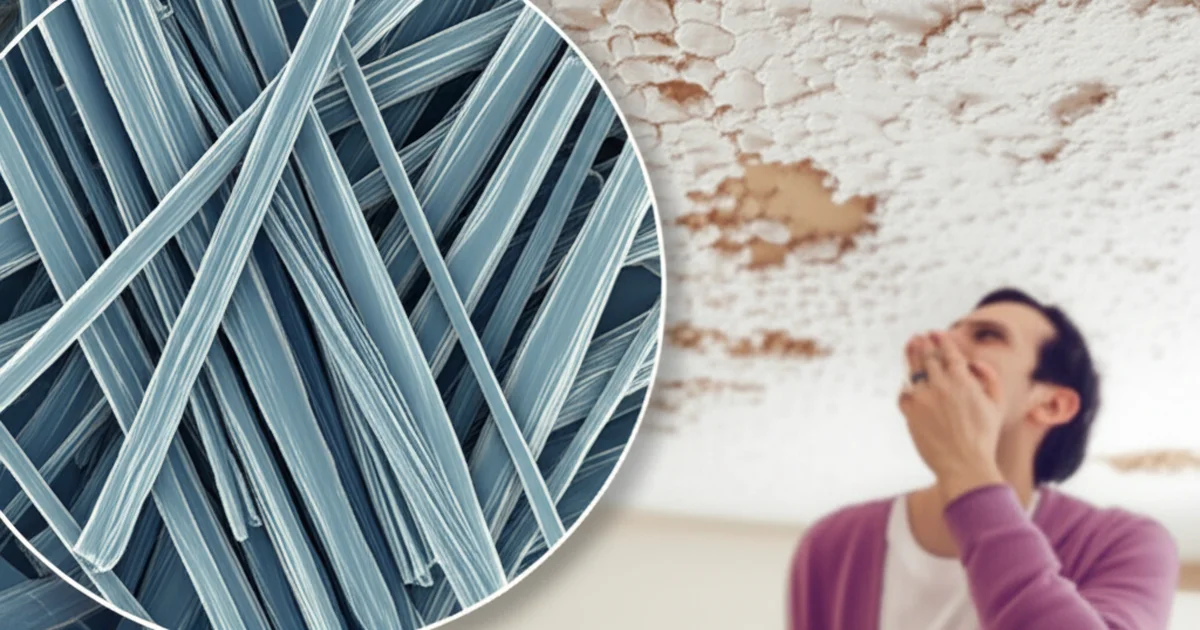
The most serious health concern with popcorn ceilings is asbestos. From the 1950s through the late 1980s, manufacturers commonly added chrysotile asbestos to ceiling texture compounds. Asbestos was prized for its fire-resistant properties and low cost, but we now know it causes serious diseases including:
Asbestos fibres are microscopic and can remain airborne for hours after being disturbed. They are invisible to the naked eye and have no smell.
When Is Asbestos Dangerous?
Asbestos in popcorn ceilings is only dangerous when the material is disturbed or damaged. This can happen during:
If your popcorn ceiling is intact and undamaged, the asbestos fibres remain trapped in the material and pose minimal risk. However, any planned renovation should include testing first.
Dust and Allergen Concerns
Even without asbestos, popcorn ceilings can impact your indoor air quality. The rough, bumpy texture is a magnet for:
For households with allergies, asthma, or respiratory conditions, popcorn ceilings can worsen symptoms by continuously releasing trapped particles into the air.
How to Test for Asbestos
If your home was built before 1990, testing is essential before any ceiling work. Here's how:
We include free asbestos testing with every popcorn ceiling removal project. Learn more about asbestos in popcorn ceilings.
Health Risks of DIY Removal
Attempting to remove a popcorn ceiling yourself — especially without asbestos testing in Toronto — can expose your family to serious health hazards:
For these reasons, we strongly recommend professional removal. See our guide on DIY vs professional popcorn ceiling removal.
Protecting Your Family
If you have popcorn ceilings in your home, here are steps to protect your family:
When Should You Remove Popcorn Ceilings?
Consider removal if:
Professional Removal Eliminates the Risk
The safest way to address popcorn ceiling health risks is professional removal. Our dustless process includes:
---
📚 Related Guides
Call 289-806-1616 to schedule a free assessment. We serve Toronto, Mississauga, Brampton, Vaughan, Markham, Oakville, and the entire GTA.
Frequently Asked Questions
Are popcorn ceilings dangerous to my health?
Popcorn ceilings can pose health risks if they contain asbestos (common in pre-1990 homes) and are disturbed. Even without asbestos, they trap dust, allergens, and mould that can worsen respiratory conditions.
How do I know if my popcorn ceiling has asbestos?
You cannot tell by looking — only lab testing can confirm asbestos presence. We provide free asbestos testing with every project. Call 289-806-1616 to schedule.
Is it possible to encapsulate a popcorn ceiling instead of removing it?
While popcorn ceiling encapsulation is an option, it's generally not the best solution. Encapsulation involves sealing the popcorn ceiling with a specialized coating. This can temporarily prevent asbestos fibres from being released. However, it's a temporary fix. If the ceiling is ever damaged or if you decide to renovate in the future, the asbestos risk remains. Furthermore, encapsulation doesn't address the dust and allergen issues associated with popcorn ceilings. Professional removal is the most effective and permanent solution.
What are the alternatives to popcorn ceilings?
There are many attractive and modern alternatives to popcorn ceilings. Some popular options include:
Ultimately, the best alternative depends on your personal style, budget, and the architectural style of your home in areas like The Beaches or Rosedale.
Diving Deeper into Asbestos: Understanding the Risks and Regulations
Asbestos is a naturally occurring mineral that was widely used in construction materials for much of the 20th century. Its heat resistance, strength, and affordability made it a popular choice. However, the health risks associated with asbestos exposure are significant and well-documented.
The Different Types of Asbestos
There are several types of asbestos, each with slightly different properties and health risks. The most common types found in popcorn ceilings are:
While all types of asbestos are hazardous, some are considered more dangerous than others.
Ontario Regulations Regarding Asbestos
The Ontario Ministry of Labour has strict regulations regarding asbestos handling and removal. These regulations are designed to protect workers and the public from asbestos exposure. Key aspects of the regulations include:
Professional asbestos removal companies are familiar with these regulations and have the expertise to ensure that asbestos is removed safely and legally. Ignoring these regulations can result in hefty fines and, more importantly, significant health risks.
Long-Term Health Implications of Asbestos Exposure
The health effects of asbestos exposure can take decades to manifest. This means that individuals who were exposed to asbestos in the past may not develop symptoms until many years later. The latency period for mesothelioma, for example, can be 20-50 years.
Even low-level exposure to asbestos can increase the risk of developing asbestos-related diseases. There is no safe level of asbestos exposure. If you suspect that you have been exposed to asbestos, it's important to consult with a doctor.
Beyond Asbestos: Other Potential Hazards in Popcorn Ceilings
While asbestos is the primary health concern associated with popcorn ceilings, it's not the only potential hazard. As mentioned earlier, popcorn ceilings can also harbor dust, allergens, mould, and other contaminants.
The Impact of Mould Growth
Mould thrives in damp and humid environments. Popcorn ceilings, with their porous texture, can provide an ideal breeding ground for mould spores. Mould growth can trigger allergic reactions, asthma attacks, and other respiratory problems. Common signs of mould growth on popcorn ceilings include:
If you suspect mould growth on your popcorn ceiling, it's important to address the issue promptly. Professional mould remediation services can safely remove the mould and prevent it from returning.
Addressing Dust and Allergens
The textured surface of popcorn ceilings traps significantly more dust and allergens than smooth ceilings. This can be a major problem for individuals with allergies, asthma, or other respiratory conditions. Regular cleaning can help to reduce the amount of dust and allergens on the ceiling, but it's often difficult to remove all of the trapped particles.
Consider these tips for minimizing dust and allergens in your home:
Removing the popcorn ceiling altogether is the most effective way to eliminate the dust and allergen trap.
The Popcorn Ceiling Removal Process: What to Expect
If you've decided to remove your popcorn ceiling, it's important to understand the removal process. Professional popcorn ceiling removal typically involves the following steps:
Dustless Removal Technology
Traditional popcorn ceiling removal methods can generate a significant amount of dust. This dust can contain asbestos fibres, silica particles, and other contaminants. Dustless removal technology minimizes dust exposure by using specialized equipment that captures dust at the source. This equipment typically includes:
Dustless removal technology is safer and more efficient than traditional methods. It protects workers, homeowners, and the environment from harmful dust exposure.
Choosing the Right Contractor
Choosing the right contractor is essential for a successful popcorn ceiling removal project. Look for a contractor who has:
Get multiple quotes from different contractors and compare their services and prices. Don't be afraid to ask questions and address any concerns you may have. A reputable contractor will be happy to provide you with all the information you need to make an informed decision. Consider asking neighbours in areas like Leslieville or Danforth Village for recommendations.
Popcorn Ceiling Removal Costs: What to Expect
The cost of popcorn ceiling removal can vary depending on several factors, including:
Generally, you can expect to pay between \$2 and \$5 per square foot for popcorn ceiling removal. Asbestos abatement can add an additional \$1 to \$3 per square foot.
Factors Influencing the Price
Get a detailed quote from your contractor that outlines all of the costs involved in the project. Make sure you understand what is included in the quote and what is not.
Modern Ceiling Finishes: Transforming Your Space
Once your popcorn ceiling has been removed, you'll have the opportunity to choose a new ceiling finish that will transform your space. Here are some popular options:
Consider the style of your home and your personal preferences when choosing a new ceiling finish. A professional contractor can help you select the best option for your space.
Frequently Asked Questions
Are popcorn ceilings dangerous to my health?
Popcorn ceilings can pose health risks if they contain asbestos (common in pre-1990 homes) and are disturbed. Even without asbestos, they trap dust, allergens, and mould that can worsen respiratory conditions.
How do I know if my popcorn ceiling has asbestos?
You cannot tell by looking — only lab testing can confirm asbestos presence. We provide free asbestos testing with every project. Call 289-806-1616 to schedule.
Is it possible to encapsulate a popcorn ceiling instead of removing it?
While encapsulation is an option, it's generally not the best solution. Encapsulation involves sealing the popcorn ceiling with a specialized coating. This can temporarily prevent asbestos fibres from being released. However, it's a temporary fix. If the ceiling is ever damaged or if you decide to renovate in the future, the asbestos risk remains. Furthermore, encapsulation doesn't address the dust and allergen issues associated with popcorn ceilings. Professional removal is the most effective and permanent solution.
What are the alternatives to popcorn ceilings?
There are many attractive and modern alternatives to popcorn ceilings. Some popular options include:
How long does popcorn ceiling removal take?
The duration of popcorn ceiling removal depends on several factors, including the size of the ceiling, the presence of asbestos, and the complexity of the project. Generally, a small to medium-sized room can be completed in 1-3 days. Larger projects or those involving asbestos abatement may take longer.
Will popcorn ceiling removal create a lot of mess?
Traditional popcorn ceiling removal methods can create a significant amount of dust and debris. However, professional contractors who use dustless removal technology can minimize the mess. They will also take steps to protect your furniture and flooring.
Don't let outdated and potentially hazardous popcorn ceilings compromise your family's health and your home's value. Call 289-806-1616 today to schedule a free assessment and learn more about our safe and efficient popcorn ceiling removal services in Toronto, Mississauga, Brampton, Vaughan, Markham, Oakville, and the entire GTA. We can help you create a healthier, more beautiful home. Learn about our service areas.