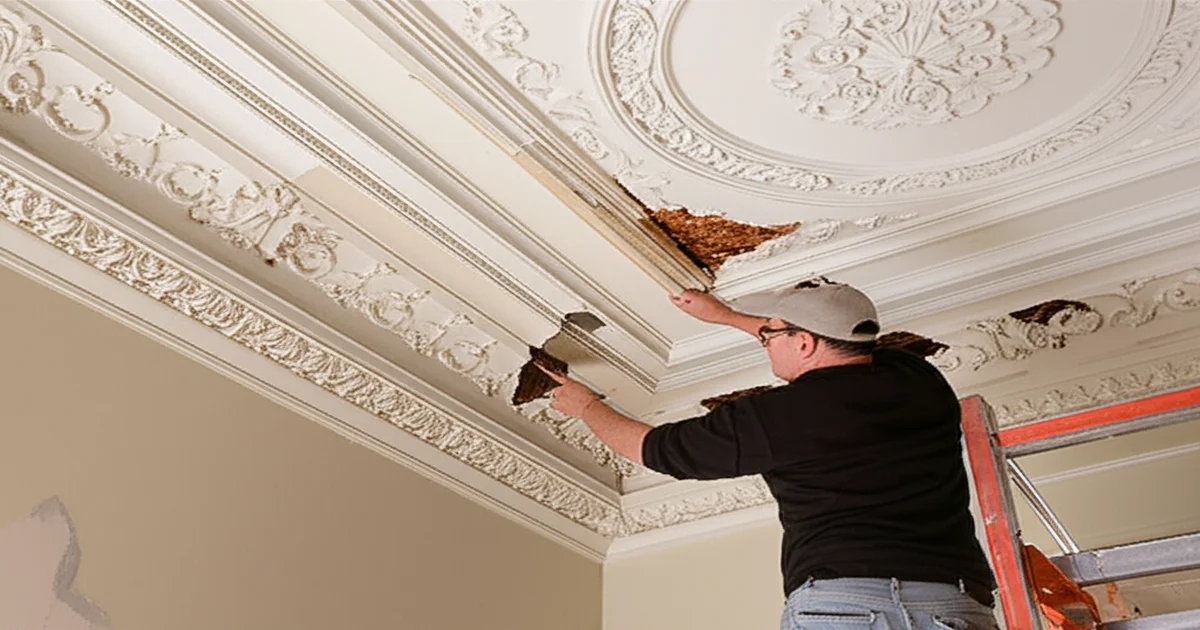
Plaster Ceiling Repair in Toronto: Preserving Your Home's Character
Plaster ceiling repair is a specialized service that Toronto homeowners with older properties frequently need. Toronto's beautiful Victorian, Edwardian, and early 20th-century homes feature original plaster ceilings that add character and value — but require expert care when damaged. Understanding plaster ceiling Toronto repair options helps you make the right decisions for your home.
Popcorn Free provides expert plaster ceiling repair across Toronto and the GTA. Call 289-806-1616 for a free assessment of your plaster ceiling.
Understanding Plaster Ceilings in Toronto
What Are Plaster Ceilings?
Traditional plaster ceilings consist of two or three layers of plaster applied over wooden lath strips nailed to ceiling joists. The bottom layer (scratch coat) keys through the gaps in the lath, the middle layer (brown coat) builds thickness, and the finish coat provides the smooth surface. This method, while labour-intensive, resulted in ceilings that are remarkably durable and contribute significantly to the aesthetic charm of popcorn ceilings in older homess.
Where Are Plaster Ceilings Found?
In Toronto, plaster ceilings are common in:
These neighbourhoods, with their rich architectural history, often boast homes that still retain their original plaster ceilings. Preserving these features is crucial for maintaining the historical integrity of these communities.
Plaster vs. Drywall
Plaster ceilings differ from drywall in several important ways:
The superior sound insulation of plaster ceilings is particularly valuable in densely populated areas like downtown Toronto, where noise reduction is highly desirable. The fire resistance also provides an added layer of safety, crucial for older homes that may not have been built with modern fire codes in mind.
Common Plaster Ceiling Problems
Hairline Cracks
The most common plaster ceiling issue. These thin cracks follow the lath pattern or run along stress points. While cosmetic, they can worsen over time if not addressed. Repair cost: $150–$400 per room. These cracks often appear due to seasonal changes in humidity and temperature, which cause the wood lath to expand and contract.
Structural Cracks
Wider cracks that may indicate foundation movement, structural settling, or joist problems. These require investigation of the underlying cause before repair. Repair cost: $300–$1,500 depending on cause and extent. In areas like the Beaches or Scarborough Bluffs, where soil erosion can be a factor, structural cracks should be assessed by a structural engineer before any repairs are attempted.
Sagging Plaster
When the plaster keys break away from the lath, the ceiling sags. This is a common and potentially dangerous condition that requires prompt attention. Small areas can be reattached; large areas may need replacement. Repair cost: $500–$3,000. Sagging plaster is a serious issue because it can lead to ceiling collapse. Addressing it promptly is essential for safety.
Water Damage
Toronto's weather extremes cause roof leaks, ice dams, and condensation that damage plaster ceilings. Water dissolves the plaster bond, causes staining, and promotes mould growth. Repair cost: $400–$2,500 after the water source is fixed. Neighbourhoods like Rosedale and Forest Hill, with their older homes and mature trees, are particularly susceptible to roof leaks and ice dams, making water damaged ceiling repair a frequent concern.
Delamination
The finish coat separates from the base coat, creating bubbles or loose patches. This often happens in humid areas like bathrooms and kitchens. Repair cost: $300–$1,200. Proper ventilation in bathrooms and kitchens is crucial to prevent delamination.
Lath Deterioration
In very old homes, the wooden lath strips can rot, warp, or come loose from the joists. This compromises the entire ceiling structure and may require partial or full replacement. Repair cost: $1,000–$5,000+. Older homes in areas like Cabbagetown or the Annex are more likely to experience lath deterioration due to age and moisture exposure.
Plaster Ceiling Repair Cost in Toronto
Minor Repairs
These minor repairs are often cosmetic and can be addressed relatively quickly and affordably. However, it's important to address them promptly to prevent them from escalating into more significant problems.
Moderate Repairs
Moderate repairs often require more specialized skills and materials. Addressing the underlying cause of the damage is crucial to prevent recurrence. For water damage repairs, identifying and fixing the source of the leak is paramount.
Major Repairs
Major repairs are often necessary when the damage is extensive or the plaster is beyond repair. Heritage-standard plaster restoration is a specialized service that requires expertise in traditional plastering techniques and materials. This is especially important for homes in heritage conservation districts.
Repair Methods
Plaster Washers and Screws
For sagging plaster that still has intact lath, we use special plaster washers screwed through the plaster into the lath or joists. This draws the plaster back tight against the lath. The washers are then covered with compound and finished smooth. This method is effective for reattaching plaster that has separated from the lath but is not severely damaged. It's a less invasive alternative to full replacement.
Traditional Lime Plaster Repair
For heritage restorations, we use traditional lime-based plaster to match the original material. This is important for historically significant properties and homes under heritage designation in Toronto. Using lime plaster ensures compatibility with the existing plaster and helps maintain the historical integrity of the building. Lime plaster is also more breathable than modern gypsum-based plasters, which can help prevent moisture buildup and damage.
Modern Compound Repair
For most practical repairs, modern joint compound and setting-type compounds provide excellent results. These materials bond well to existing plaster and can be sanded and painted to match seamlessly. Modern compounds offer convenience and affordability for many plaster repair projects. However, it's important to choose the right type of compound for the specific repair and to ensure proper preparation and application.
Fibreglass Mesh Reinforcement
For crack repair, we embed fibreglass mesh tape in compound to bridge the crack and prevent recurrence. This is stronger than paper tape and accommodates slight movement. Fibreglass mesh provides added strength and flexibility, making it ideal for repairing cracks that are prone to movement due to settling or temperature changes.
Plaster Replacement with Drywall
When large areas of plaster are beyond repair, we can replace sections with drywall matched to the surrounding plaster thickness. Careful feathering ensures the transition is invisible after finishing. While replacing plaster with drywall can be a more cost-effective option, it's important to consider the impact on the home's character and value. In some cases, partial plaster replacement may be a better option to preserve the original features while addressing the most severely damaged areas.
Should You Repair or Replace Your Plaster Ceiling?
Repair When:
Repairing plaster ceilings preserves the original character of your home and maintains its unique qualities. It's a great choice if you value the history and aesthetics of your property.
Replace When:
Replacing a plaster ceiling might be the best option if the damage is widespread or if you're looking to modernize your home. It can also be a more practical choice if you're planning other renovations, such as adding insulation or new wiring.
Heritage Considerations
Toronto has many heritage-designated and heritage-listed properties. If your home is one of them, any plaster ceiling repair or replacement work may need to comply with heritage regulations and guidelines. This often means using traditional materials and techniques to preserve the historical integrity of the building. Before undertaking any work, it's essential to check with the City of Toronto's Heritage Preservation Services to determine if permits or approvals are required. Ignoring heritage regulations can result in fines and delays. We have extensive experience working on heritage properties throughout the GTA and understand the specific requirements and challenges involved.
We can also assist with sourcing appropriate materials and techniques for heritage-sensitive repairs. For example, matching the original plaster texture and color is crucial for maintaining the authentic look of the ceiling. We work closely with heritage consultants and historical societies to ensure that our work meets the highest standards of preservation.
The Importance of Professional Plaster Repair
While some homeowners may be tempted to attempt DIY plaster repair, it's generally best left to the professionals. Plaster repair requires specialized skills, knowledge, and tools. Improper repair can lead to further damage, structural problems, and aesthetic issues. Professional plasterers have the experience and expertise to accurately assess the damage, choose the appropriate repair methods, and ensure a long-lasting and seamless result.
Furthermore, working with plaster can be messy and hazardous. Plaster dust can be harmful to your health, and improper handling of tools and materials can lead to injuries. Professionals have the necessary safety equipment and training to protect themselves and your property.
Choosing a Plaster Repair Contractor in Toronto
When choosing a plaster repair contractor in Toronto, it's important to consider the following factors:
Popcorn Free has a proven track record of providing high-quality plaster repair services throughout Toronto and the GTA. We are fully licensed and insured and have a team of experienced plasterers who are dedicated to preserving the beauty and integrity of your home. We offer free estimates and are happy to answer any questions you may have.
Preparing Your Home for Plaster Repair
Before the plaster repair work begins, there are a few things you can do to prepare your home:
By taking these steps, you can help ensure a smooth and efficient plaster repair process.
Maintaining Your Plaster Ceilings
Once your plaster ceilings have been repaired, there are a few things you can do to maintain them and prevent future damage:
By following these tips, you can help extend the life of your plaster ceilings and preserve their beauty for years to come.
What about Decorative Plaster?
Many older homes in Toronto, especially in affluent neighbourhoods like Rosedale and Forest Hill, feature decorative plaster elements such as crown mouldings, medallions, and cornices. Repairing these intricate details requires specialized skills and expertise. It often involves recreating damaged sections using traditional plastering techniques and molds. We have experience restoring decorative plaster in heritage homes and can help you preserve these unique architectural features. The cost of repairing decorative plaster can vary depending on the complexity of the design and the extent of the damage.
Addressing Asbestos Concerns
Homes built before the 1980s may contain asbestos in their plaster. If you suspect your plaster contains asbestos, it's crucial to have it tested by a certified asbestos abatement professional before any repairs are undertaken. Disturbing asbestos-containing materials can release harmful fibres into the air, posing a health risks of popcorn ceilings. We can arrange for asbestos testing in Toronto and removal as part of our plaster repair services. Asbestos abatement must be performed by licensed professionals following strict safety protocols. The cost of asbestos removal can add significantly to the overall cost of the project.
Frequently Asked Questions
How do I know if my ceiling is plaster or drywall?
Look closely at the surface. Plaster is generally harder and smoother than drywall. You can also gently tap on the ceiling. Plaster will sound more solid, while drywall will sound hollow. If you are unsure, consult with a professional.
Can I paint over my plaster ceiling after it's repaired?
Yes, you can paint over your plaster ceiling after it has been properly repaired and primed. Use a high-quality paint that is suitable for plaster surfaces. Consider using a paint with a matte or eggshell finish to minimize imperfections.
How long does plaster ceiling repair typically take?
The duration of plaster ceiling repair depends on the extent of the damage and the complexity of the repair. Minor repairs, such as hairline crack repair, can often be completed in a day or two. More extensive repairs, such as sagging plaster or partial ceiling replacement, may take several days or even weeks. We will provide you with a detailed timeline before starting any work.
What is the best way to clean a plaster ceiling?
The best way to clean a plaster ceiling is to gently dust it with a soft brush or vacuum cleaner attachment. Avoid using harsh chemicals or abrasive cleaners, which can damage the plaster. For stubborn stains, you can try using a damp cloth with a mild detergent. Always test any cleaning solution in an inconspicuous area first.
For expert plaster ceiling repair in Toronto and the GTA, contact Popcorn Free today. Call 289-806-1616 for a free consultation and estimate. We are dedicated to preserving the character and beauty of your home.