What Is Orange Peel Ceiling Texture?
Orange peel ceiling texture is a popular wall and ceiling finish that resembles the dimpled surface of an orange skin. For homeowners across Toronto, Mississauga, Brampton, Vaughan, and the Greater Toronto Area who want to move away from heavy popcorn ceilings but prefer some texture over a completely smooth finish, orange peel offers an attractive middle ground. This complete guide covers everything about orange peel texture — from application and cost to maintenance and comparison with other finishes.
Orange peel texture has become increasingly popular in GTA home renovations as homeowners look for ceiling finishing options that hide minor imperfections while providing a more modern look than traditional popcorn or stipple ceilings. Its subtle, organic texture adds visual interest without the dated appearance of heavier textures.
---
📚 Related Guides
Call 289-806-1616 to discuss orange peel texture and other ceiling finishing options for your home.
Orange Peel vs. Other Ceiling Textures
Understanding how orange peel compares to other common ceiling textures helps homeowners make informed decisions:
Orange Peel vs. Popcorn Ceiling
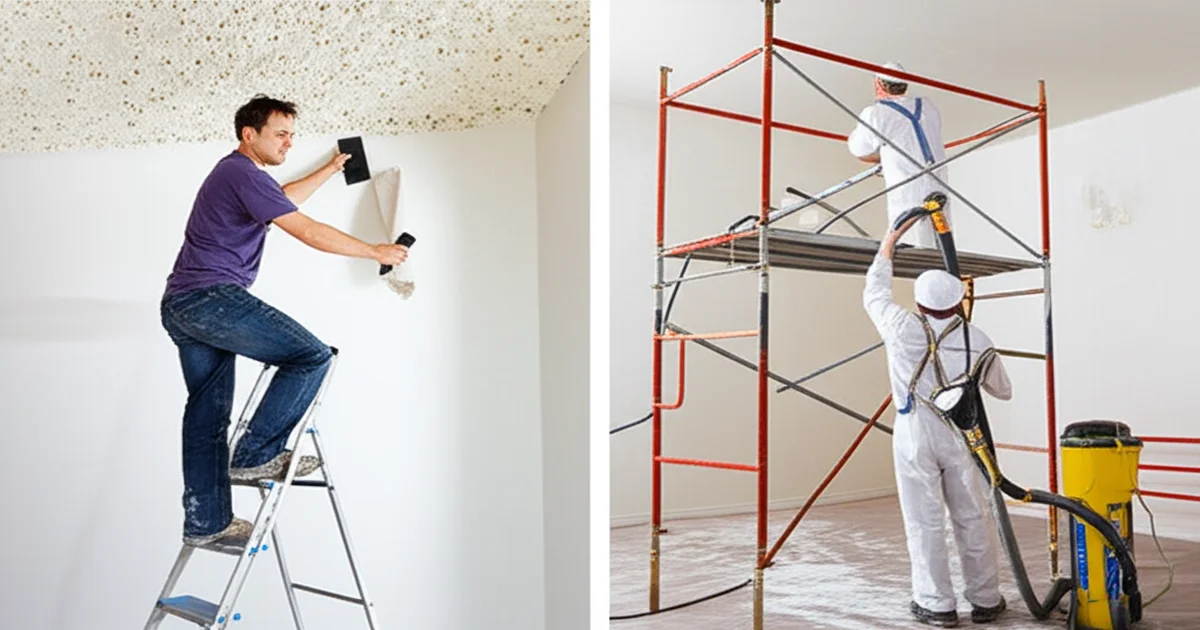
Popcorn ceilings feature a thick, bumpy texture applied with a hopper gun. Orange peel is much thinner and more refined — applied with a spray gun using thinned drywall compound. While popcorn ceilings trap dust and are extremely difficult to clean, orange peel is relatively easy to maintain and touch up. Many popcorn ceilings in older homess in areas like Scarborough and Etobicoke still have popcorn ceilings, making orange peel a popular upgrade choice.
Orange Peel vs. Knockdown Texture
Knockdown starts as a splatter pattern similar to orange peel but is then partially smoothed with a wide knife, creating a flattened organic pattern. Orange peel retains its rounded bumps without flattening. Both are popular in the GTA, with knockdown slightly more common in newer construction. See our knockdown ceiling texture guide. Knockdown is often seen in newer developments in areas like Richmond Hill and Oakville.
Orange Peel vs. Smooth Finish
Smooth (Level 5) ceilings have no texture and represent the premium finish. While smooth is the gold standard, it requires more extensive preparation and costs more. Orange peel is a cost-effective alternative. Compare with our smooth ceiling cost guide. Many homeowners in downtown Toronto condos are opting for smooth ceilings to create a modern, minimalist aesthetic, but the cost can be prohibitive.
Orange Peel vs. Stipple
Stipple is a heavier texture applied with a brush or roller in a stomping pattern, popular in Ontario homes from the 1970s-1990s and now considered dated. Orange peel offers a more contemporary alternative with similar imperfection-hiding properties. You'll often find stipple ceilings in older homes in North York and Etobicoke.
Orange Peel vs. Swirl Texture
Swirl texture, also known as "comb" texture, is created by using a brush or trowel to make swirling patterns in the joint compound. It’s more decorative than orange peel but also more likely to appear dated. Orange peel offers a more subtle and versatile alternative.
Applying Orange Peel Texture
Professional application involves specific equipment and techniques:
Materials Needed: All-purpose joint compound (thinned to pancake batter consistency), texture sprayer or hopper gun, air compressor (30-40 PSI), primer and paint, drop cloths and masking supplies.
Application Process:
Choosing the Right Equipment for Orange Peel Texture Application
The type of sprayer you use significantly impacts the final result. Here’s a breakdown:
Expert Tips for a Perfect Orange Peel Texture
Cost of Orange Peel Texture in the GTA
Orange peel is one of the more affordable ceiling finishing options:
Compared to Level 5 smooth finishing ($2.50–$4.00/sq ft for finishing alone), orange peel saves approximately 30-50% on the finishing portion. These costs can vary based on the complexity of the job and the contractor you choose. For example, homes in upscale neighborhoods like Rosedale or Forest Hill might command higher prices due to the expectation of premium service and materials.
Factors Affecting the Cost of Orange Peel Texture
Several factors can influence the overall cost of applying orange peel texture:
When to Choose Orange Peel Texture
Orange peel is excellent in several situations:
Hiding Imperfections — If your ceiling drywall has minor imperfections, patches, or uneven joints, orange peel conceals these without the expense of Level 5 finishing. This is particularly useful in older homes in neighborhoods like The Beaches or Leslieville, where the original drywall may have settled over time.
Budget Considerations — When the smooth vs popcorn ceiling comparison budget is not available, orange peel provides a major upgrade from popcorn at lower finishing cost. Many homeowners in areas like Scarborough and North York find orange peel to be a budget-friendly way to update their homes.
Matching Existing Texture — If adjacent rooms have orange peel, maintaining consistency creates a cohesive look. This is important in open-concept homes where the ceiling texture flows from one room removal time to another.
Personal Preference — Some homeowners prefer the subtle visual interest orange peel provides over stark smooth ceilings. It adds a touch of warmth and character to a room without being overwhelming.
Rental Properties — For investment properties in Toronto, Brampton, Markham, or other GTA cities, orange peel offers affordable, durable, attractive ceiling finish that tenants appreciate. It's a practical choice for landlords looking to update their properties without breaking the bank.
Maintaining Orange Peel Ceilings
Advantages of orange peel maintenance compared to heavier textures:
Preventing Damage to Orange Peel Ceilings
Call 289-806-1616 to discuss whether orange peel texture is the right choice for your ceiling renovation project. We serve all areas of the GTA, from downtown Toronto to the suburbs of Mississauga and Vaughan. Our experienced team can help you choose the perfect ceiling finish for your home and budget. Learn more about our ceiling removal services.
Frequently Asked Questions
Is orange peel texture outdated?
No. Unlike popcorn ceilings, orange peel remains a current and widely used ceiling finish. It is commonly installed in new construction across Ontario and is considered a modern, acceptable treatment by real estate professionals and interior designers.
Can I apply orange peel texture over existing popcorn ceiling?
It is not recommended. The popcorn should be removed first to ensure proper adhesion and consistent finish. Applying new texture over old creates an unstable surface and can lead to peeling and cracking down the road. Furthermore, popcorn ceilings in older homes may contain asbestos, which requires professional removal.
How do I match an existing orange peel texture for repairs?
Matching an existing texture can be tricky, but it’s not impossible. Start by identifying the type of orange peel texture you have (fine, medium, or heavy). Then, use a texture sprayer with adjustable settings to experiment with different patterns and pressures until you achieve a close match. Practice on a piece of cardboard before applying the texture to the ceiling.
Can I paint my orange peel ceiling myself?
Yes, you can paint your orange peel ceiling yourself. However, it’s important to use the right type of paint and technique. Use a high-quality ceiling paint specifically designed for textured surfaces. Apply the paint in thin, even coats to avoid runs and sags. Use a roller with a nap that is appropriate for the texture of your ceiling. You may also need to use a brush to get into tight corners and crevices.
How long does it take to apply orange peel texture?
The time it takes to apply orange peel texture depends on the size of the room and the complexity of the job. A small room can usually be textured in a day, while a larger room may take two or three days. The drying time for the joint compound is typically 24-48 hours.
The Future of Ceiling Textures in Toronto Homes
As home design trends evolve, so too will ceiling textures. While smooth ceilings are currently popular, orange peel's versatility and cost-effectiveness ensure its continued relevance in the Toronto housing market. We anticipate seeing more homeowners combining orange peel with other design elements, such as strategic lighting, to create unique and visually appealing spaces. The rise of eco-friendly building materials may also influence the types of textures used in the future.
Ready to transform your ceilings? Call 289-806-1616 today for a free consultation!